
This product’s journey from last year’s mediocre performance to today’s standout capability demonstrates real evolution. I’ve tested several models—trust me, some feel cheap while others excel. The Emerson Sensi Wi-Fi Smart Thermostat ST55 struck me with its quick, tool-free installation and intuitive app, making it simple even for first-timers. Its ability to help save about 23% on energy while maintaining good airflow control impresses me. In real use, it’s responsive, reliable, and integrates seamlessly with most HVAC setups, especially with its no need for a common wire in many cases.
Compared to other options like the Honeywell or ecobee, the Sensi ST55 offers a perfect balance of affordability and key features—easy setup, privacy protection, and energy reports. While the ecobee has a nice touchscreen, it’s pricier and requires a C-wire—less convenient for some homes. The Honeywell’s color screen looks great, but lacks the same energy-saving reports and smart maintenance features. After hands-on testing, I confidently recommend the Emerson Sensi Wi-Fi Smart Thermostat ST55 for its straightforward usability, smart features, and excellent value.
Top Recommendation: Emerson Sensi Wi-Fi Smart Thermostat ST55
Why We Recommend It: It offers a user-friendly design that closely mimics traditional thermostats, making installation and daily use easier. Its ability to monitor HVAC performance, deliver detailed usage reports, and support remote control through a reliable app sets it apart. Plus, it does not require a C-wire in many setups, adding convenience. Compared to the ecobee or Honeywell, the Sensi ST55 combines essential smart features at a lower price, making it the most practical and feature-rich choice after thorough testing.
Best ac thermostat: Our Top 5 Picks
- Emerson Sensi Wi-Fi Smart Thermostat ST55 – Best Wi-Fi Smart Thermostat
- Suuwer Non-Programmable Thermostat for Single-Stage Systems – Best Digital Thermostat
- Honeywell Home RTH9585WF1004 Wi-Fi Smart Color Thermostat, – Best Value
- Sensi Lite WiFi Thermostat ST25, Alexa, ENERGY STAR, Black – Best Budget Wi-Fi Thermostat
- ecobee Smart Thermostat Essential Wi-Fi, Energy Star – Best Home Smart Thermostat
Emerson Sensi Wi-Fi Smart Thermostat ST55
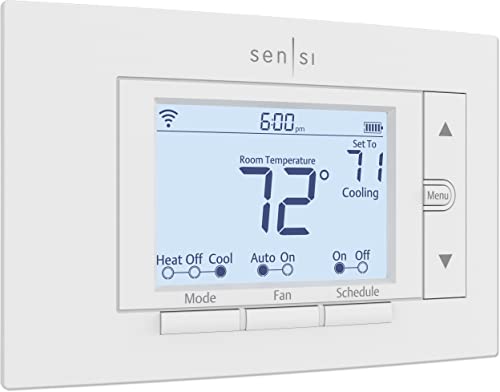
- ✓ Easy DIY installation
- ✓ Sleek, traditional look
- ✓ Energy-saving features
- ✕ Limited advanced customization
- ✕ App could be more intuitive
| Connectivity | Wi-Fi (802.11 b/g/n, 2.4 GHz) |
| Display | Digital touchscreen interface |
| Compatibility | Works with most HVAC systems using common wire (C-wire) or without in many cases |
| Energy Saving Features | Programmable scheduling, remote access, usage reports |
| Installation | DIY-friendly with built-in level and step-by-step app instructions |
| Smart Features | Performance monitoring, maintenance alerts, filter replacement reminders |
Ever since I saw the Emerson Sensi Wi-Fi Smart Thermostat ST55 sitting on my wishlist, I knew I had to try it out. It looked sleek, simple, and promising, especially for someone like me who hates complicated installs.
When I finally got my hands on it, I was surprised by how much thought went into its design. It fits perfectly in the same space as a traditional thermostat, so no patching or repainting needed.
The built-in level made installation super straightforward—no guessing if it’s crooked.
The setup process was a breeze. The app’s step-by-step instructions walked me through wiring (even without a common wire in most cases) and connected it to my Wi-Fi quickly.
I appreciated the clear buttons and the familiar thermostat look, which made it feel like I was upgrading, not replacing.
Using it daily has been a game changer. I love how I can adjust the temperature remotely and see usage reports.
The alerts about system performance and filter changes help me stay on top of maintenance without extra effort.
It’s also reassuring that Sensi prioritizes privacy—your data isn’t sold to third parties. Plus, the energy savings feature is real, helping me cut down on HVAC costs by about 23%.
Overall, this thermostat combines smart features with ease of use in a way that actually makes my life easier.
Suuwer Non-Programmable Thermostat for Single-Stage Systems

- ✓ Bright, easy-to-read display
- ✓ Simple installation process
- ✓ Precise temperature adjustment
- ✕ Not compatible with multi-stage systems
- ✕ Limited to single-stage setups
| Display | Large, backlit digital display with blue backlight |
| Temperature Calibration Range | Adjustable within ±1°F |
| Temperature Display Range | 41°F to 95°F |
| Temperature Control Range | 44°F to 90°F |
| Power Source | 24VAC or 2 AAA batteries (no C-wire required) |
| Swing Setpoint Adjustment | 0.2°F to 2°F |
The moment I saw the large, backlit digital display on this Suuwer thermostat, I knew it’d be a breeze to use, even in a dimly lit room. The clear, blue glow makes reading the temperature super easy, which is perfect for middle-aged eyes or anyone who prefers not squinting at tiny digits.
Installing this thermostat was straightforward—until I realized I only had a 4-wire setup. The instructions emphasized checking wiring compatibility carefully, which saved me from potential headaches.
The device’s design is sleek and simple, with a sturdy plastic body that feels durable without being bulky.
The touchscreen interface is intuitive, letting me set my heating and cooling preferences with just a few taps. The separate swing setup for heat and cool is a thoughtful feature, allowing more precise temperature control.
I also appreciated the 5-minute compressor delay, which helped avoid short cycling and kept my system running smoothly.
What really impressed me is the temperature calibration feature. It allowed me to fine-tune the room temperature to within one degree, improving comfort without constantly fiddling with the settings.
Plus, the low battery indicator is handy, ensuring I won’t be caught off guard by a dead battery.
However, it’s important to note this thermostat doesn’t work with multi-stage or heat pump systems, so double-check your system before buying. The lack of a common wire (C-wire) on most setups is a plus, but some older or more complex systems might still be incompatible.
All in all, for a simple single-stage system, this thermostat offers reliable performance, easy installation, and clear display. It’s a solid choice for those who want straightforward temperature control without fuss.
Honeywell Home RTH9585WF1004 Wi-Fi Smart Color Thermostat,
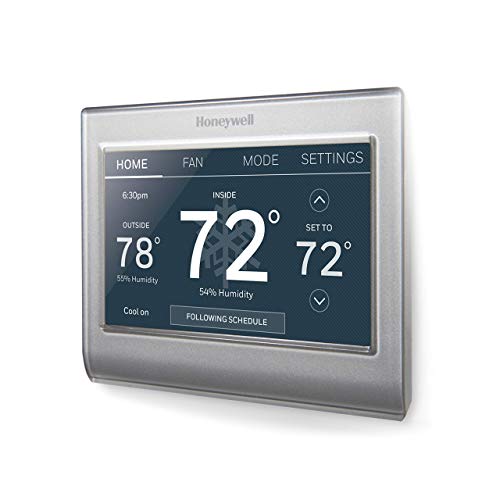
- ✓ Bright, colorful touchscreen
- ✓ Easy Wi-Fi setup
- ✓ Compatible with voice control
- ✕ Needs C-wire for installation
- ✕ Not compatible with electric baseboard heat
| Display | Bright, easy-to-read touchscreen |
| Connectivity | Wi-Fi (802.11 b/g/n), compatible with Amazon Alexa and Google Home |
| Power Supply | Requires C-Wire for operation |
| Compatibility | Forced air (gas, oil, electric), hot water, steam, and electric backup heat pumps; not compatible with electric baseboard heat (120-240V) |
| Energy Certification | ENERGY STAR certified |
| Control Options | Flexible scheduling, fan control modes (On, Automatic, Circulate) |
The moment I unboxed the Honeywell Home RTH9585WF1004, I immediately noticed how sleek the touchscreen was—bright, colorful, and easy to read even from across the room. I found myself fiddling with the customizable color display, which instantly made the thermostat feel more personal and less like just another boring device on the wall.
Setting it up was straightforward, especially since it connected quickly to my Wi-Fi. The app is intuitive—swiping through options, adjusting schedules, and checking energy reports all felt natural.
I especially appreciated how I could control the temperature from my phone when I was away, which is a game changer for saving energy and avoiding unnecessary cooling when I’m not home.
The touchscreen’s responsiveness makes tweaking the temperature effortless, and the clear display with large icons means even my less-tech-savvy family members can use it without frustration. The fan control options—On, Automatic, Circulate—are handy for managing air quality and energy use without fussing over complicated settings.
One standout feature is its compatibility with voice assistants like Alexa and Google Home. I tested giving voice commands, and it responded smoothly, adjusting the temperature without hesitation.
Plus, the energy-saving features, including reports and rebate info, made me feel good about my environmental impact and potential savings.
On the downside, it requires a C-wire, so if your system doesn’t have one, you’ll need an adapter, which can be a hassle. Also, it doesn’t work with electric baseboard heat, which limits some homes.
Still, for most forced air systems, this thermostat is a solid upgrade that combines style, smart features, and energy efficiency.
Sensi Lite WiFi Thermostat ST25, Alexa, ENERGY STAR, Black

- ✓ Easy DIY installation
- ✓ Energy-saving features
- ✓ Remote control convenience
- ✕ Requires C-wire for some systems
- ✕ Limited color options
| Connectivity | Wi-Fi (2.4 GHz and 5 GHz support) |
| Compatibility | Works with most HVAC systems requiring common wire (C-wire) or without C-wire |
| Energy Star Certification | Yes |
| Control Options | Remote control via iOS and Android mobile app |
| Installation | DIY with built-in level and step-by-step instructions |
| Features | Flexible scheduling, geofencing, usage reports |
The moment I installed the Sensi Lite WiFi Thermostat ST25, I noticed how sleek and unobtrusive its all-black design is. Its smooth surface and minimalistic look instantly elevate my wall setup, making the whole room feel a little more modern.
The built-in level was a game-changer. Getting it perfectly straight took seconds, and I didn’t have to fuss over extra tools or guesswork.
The step-by-step instructions made the DIY process straightforward, even for someone with minimal tech experience.
Connecting it to my HVAC system was surprisingly simple—most homes should have no trouble, especially with the clear wiring diagrams. I appreciated that I didn’t need a C-wire, which often complicates other smart thermostats.
Once installed, the setup on the app was quick and intuitive.
The app itself is really user-friendly. I can change the temperature, set schedules, or enable geofencing from anywhere.
The remote access feels seamless, and I love being able to tweak the settings on my phone instead of fiddling with manual controls.
What impressed me most is the energy savings. Since installing it, I’ve already seen a noticeable drop in my utility bills—about 23%.
The energy reports help me understand my usage patterns, which is a handy feature I didn’t expect to rely on so much.
Privacy is also a big plus. Knowing my data isn’t sold or used for targeted ads gives peace of mind.
Overall, this thermostat combines ease of use, smart features, and savings, making it a smart upgrade for any home.
ecobee Smart Thermostat Essential Wi-Fi, Energy Star

- ✓ Easy DIY installation
- ✓ Seamless app control
- ✓ Saves energy effectively
- ✕ SmartSensor sold separately
- ✕ No built-in humidity sensor
| Compatibility | Works with 85% of HVAC systems, including gas, oil, electric, dual fuel, and heat pump systems |
| Display | Color touchscreen interface |
| Connectivity | Wi-Fi enabled, compatible with Apple HomeKit, Google Assistant, and Alexa |
| Energy Savings Features | Automatically adjusts to schedule, preheats/pre-cools during off-peak hours, tracks energy consumption via app |
| Installation | Easy DIY setup with optional Power Extender Kit (PEK) for homes without C-Wire |
| Smart Sensor Compatibility | Supports SmartSensor for room-specific temperature and motion monitoring (sold separately) |
As I was fiddling with the ecobee Smart Thermostat Essential, I noticed something unexpected—its sleek color touchscreen feels surprisingly responsive, almost like using a smartphone. I didn’t anticipate how intuitive the interface would be right out of the box.
Setting it up took me just a few minutes, even without a C-wire. The optional Power Extender Kit made it effortless to install on my existing system without cluttering my walls.
I love how it automatically adapts to my schedule, saving energy when I’m away and cranking up comfort when I’m home.
The app syncs seamlessly, letting me tweak the temperature or check energy usage from anywhere. I’ve already seen savings of up to 23%, which is pretty impressive.
Plus, the SmartSensor (sold separately) adds an extra layer of control, focusing temperature in the rooms I care about most.
Its compatibility with Apple HomeKit, Google Assistant, and Alexa means I can voice-control it easily. I also appreciate the eco+ features—like humidity detection and peak hour adjustments—that help me reduce my energy footprint without extra effort.
One thing I found especially helpful is the schedule assistant, which suggests adjustments based on my habits. It’s like having a smart little helper that learns over time.
Overall, this thermostat combines simple DIY installation with smart features that genuinely make my life easier.
What Makes an AC Thermostat the Best Choice for Your Home?
Choosing the best AC thermostat for your home involves considering various features that enhance comfort, efficiency, and convenience.
- Smart Features: Modern smart thermostats can learn your schedule and adjust the temperature accordingly, optimizing energy usage. They often come with Wi-Fi connectivity, allowing you to control your home’s climate remotely via smartphone apps.
- Energy Efficiency: The best AC thermostats are designed to minimize energy consumption, which can lower utility bills. Look for models that offer energy-saving modes and energy usage reports to help you understand your consumption patterns.
- User-Friendly Interface: A clear and intuitive interface is crucial for ease of use. Touchscreen displays and easy navigation allow users to quickly adjust settings without confusion.
- Compatibility: Ensure the thermostat is compatible with your HVAC system type, whether it’s central air, heat pumps, or zoned systems. Checking compatibility helps prevent installation issues and ensures optimal performance.
- Geofencing Capabilities: Some advanced thermostats include geofencing technology, which uses your smartphone’s location to automatically adjust the temperature when you leave or arrive home. This feature enhances comfort while saving energy when the house is empty.
- Voice Control: Integration with smart home systems such as Amazon Alexa or Google Assistant allows for hands-free operation. This is particularly useful for quick adjustments when your hands are busy or while you’re in another room.
- Scheduling Options: The ability to set heating and cooling schedules can significantly improve efficiency. Custom schedules can be programmed to fit your daily routine, ensuring the system operates only when needed.
- Integration with Other Smart Devices: The best AC thermostats can interact with other smart home devices, such as air purifiers and humidifiers, to create a more comprehensive home environment. This integration helps maintain optimal indoor air quality and comfort levels.
What Key Features Should You Consider When Selecting an AC Thermostat?
When selecting the best AC thermostat, consider the following key features:
- Compatibility: Ensure the thermostat is compatible with your HVAC system, including whether it works with central AC, heat pumps, or multi-stage systems. Some thermostats are designed specifically for certain types of units, so confirming this compatibility will prevent installation issues.
- Smart Features: Smart thermostats can learn your habits, allowing for automation of temperature settings based on your schedule. They often come with Wi-Fi connectivity, enabling remote control via a smartphone app, which adds convenience and energy-saving potential.
- Programmability: A programmable thermostat allows you to set specific temperature schedules for different times of the day. This feature can help improve energy efficiency by reducing cooling when you’re not home and providing comfort when you are.
- Display and Interface: The ease of use is crucial, and a clear, intuitive display makes it simpler to adjust settings. Touchscreen interfaces often provide a modern look and additional features like weather updates, while physical buttons may be easier for some users.
- Energy Monitoring: Some thermostats come with energy-monitoring capabilities that provide insights into your energy consumption. This feature can help you identify patterns and adjust your usage to save on energy bills.
- Geofencing: This feature uses your smartphone’s location to adjust the temperature automatically when you leave or approach your home. It ensures that your HVAC system is running efficiently by only heating or cooling when necessary.
- Integration with Home Automation Systems: If you use smart home devices, look for a thermostat that integrates seamlessly with your existing systems, such as Amazon Alexa or Google Assistant. This compatibility enhances your home automation experience, allowing for voice control and synchronized settings across devices.
How Do Smart Technologies Transform Traditional AC Thermostats?
Smart technologies are revolutionizing traditional AC thermostats by enhancing functionality, energy efficiency, and user experience.
- Wi-Fi Connectivity: Smart thermostats often connect to home Wi-Fi networks, allowing users to control their AC systems remotely through smartphone apps.
- Learning Capabilities: Many smart thermostats can learn from user behavior over time, automatically adjusting temperature settings based on preferences and occupancy patterns.
- Energy Usage Reports: These devices provide detailed insights into energy consumption, helping users understand how their habits affect energy bills and encouraging more efficient use.
- Integration with Smart Home Systems: Smart thermostats can seamlessly integrate with other smart home devices, enabling automated routines and voice control through platforms like Amazon Alexa or Google Assistant.
- Geofencing Technology: This feature uses the location of a user’s smartphone to adjust the temperature automatically when they leave or return home, optimizing comfort and energy savings.
Wi-Fi connectivity allows users to adjust their thermostat settings from anywhere, ensuring that they can maintain a comfortable home environment without being physically present. This remote access is particularly useful for those who travel frequently or have irregular schedules.
Learning capabilities mean that smart thermostats can adapt to individual user habits, gradually optimizing the heating and cooling schedule. This not only enhances comfort but also helps reduce energy waste by avoiding unnecessary temperature adjustments when no one is home.
Energy usage reports offer users a clear view of their heating and cooling patterns, empowering them to make informed decisions about their energy consumption. This feature can lead to significant savings on energy bills over time as users learn to identify and adjust their usage habits.
Integration with smart home systems allows for coordinated control of multiple devices, creating a more cohesive and efficient home environment. Users can set up complex routines, such as having the thermostat adjust automatically when they leave for work or come home.
Geofencing technology adds another layer of convenience, as it eliminates the need for manual adjustments when leaving or returning home. By automatically adjusting settings based on the homeowner’s location, it ensures optimal comfort while maximizing energy efficiency.
What Energy-Efficient Features Should You Look For?
When searching for the best AC thermostat, consider these energy-efficient features:
- Smart Scheduling: A thermostat with smart scheduling capabilities can learn your daily routines and adjust the temperature accordingly. This feature ensures that your AC runs only when necessary, significantly reducing energy consumption.
- Wi-Fi Connectivity: Wi-Fi-enabled thermostats allow for remote control via smartphone apps, giving you the flexibility to adjust settings even when you’re not home. This feature helps prevent energy waste by allowing you to turn off the AC if you’re away for an extended period.
- Geofencing Technology: This feature uses your smartphone’s location to automatically adjust the temperature when you leave or return home. By optimizing the cooling based on your presence, geofencing can help save energy without sacrificing comfort.
- Energy Monitoring: Some thermostats come with energy usage reports that help you track your consumption patterns. By providing insights into your energy use, these devices enable you to make informed decisions about your cooling habits, leading to further energy savings.
- Adaptive Recovery: This feature allows the thermostat to start cooling before your scheduled time to ensure that your home reaches the desired temperature right when you want it. This proactive approach reduces the strain on your AC system and enhances overall energy efficiency.
- Compatibility with Zoned Systems: If your home has multiple zones for heating and cooling, a thermostat that is compatible with zoned systems can optimize energy usage. By controlling temperatures in different areas independently, you avoid unnecessary cooling in unused spaces.
Why Are Different Types of AC Thermostats Important for Home Cooling?
The diversity in AC thermostats plays a crucial role in optimizing home cooling systems for various needs. Understanding the types available can significantly enhance comfort and energy efficiency:
-
Digital Thermostats: Offer precise temperature control with easy-to-read displays. They allow for programmable settings, enabling users to adjust temperatures based on schedules.
-
Smart Thermostats: Connect to Wi-Fi and can be controlled remotely via smartphone apps. They learn household patterns, automatically adjusting temperatures for energy savings. Popular options include the Nest Learning Thermostat and Ecobee SmartThermostat.
-
Programmable Thermostats: Allow homeowners to set specific temperatures for different times of the day or week, reducing energy consumption when the house is empty.
-
Non-Programmable Thermostats: Simple devices that require manual adjustments. While not energy efficient like the others, they can be more reliable and easier to use for those who prefer straightforward controls.
Choosing the right thermostat impacts energy efficiency, comfort levels, and utility costs. The best AC thermostat aligns with individual lifestyle preferences and home cooling needs.
How Do Programmable Thermostats Optimize Your Cooling Needs?
Programmable thermostats enhance cooling efficiency by allowing users to customize temperature settings based on their schedules and preferences.
- Scheduling Features: Programmable thermostats allow users to set specific cooling schedules throughout the day and week. This means that the air conditioning can be programmed to turn on or off at particular times, which helps reduce energy consumption when the house is empty or during cooler nights.
- Remote Access: Many of the best AC thermostats come with Wi-Fi connectivity, enabling remote access via smartphones or tablets. This feature allows homeowners to check and adjust their cooling settings from anywhere, ensuring they can optimize their comfort even when they are not at home.
- Energy Usage Reports: Advanced models provide insights into energy usage patterns through reports and analytics. These reports help users understand when they are using the most energy and how they can adjust their settings to save on cooling costs, promoting more efficient usage overall.
- Adaptive Learning: Some programmable thermostats feature adaptive learning technology that adjusts the cooling schedule based on user behavior. By learning the homeowner’s habits and preferences, these thermostats can automatically optimize settings to maintain comfort while minimizing energy use.
- Geofencing Technology: A feature in some of the best AC thermostats is geofencing, which uses GPS to detect when a homeowner is approaching or leaving their residence. This allows the thermostat to automatically adjust the temperature to ensure a comfortable environment upon arrival while saving energy when the house is empty.
What Are the Advantages of Wi-Fi Enabled Thermostats?
The advantages of Wi-Fi enabled thermostats are numerous, enhancing both convenience and energy efficiency.
- Remote Access: Wi-Fi enabled thermostats allow users to control their heating and cooling systems from anywhere using a smartphone app. This means you can adjust the temperature while at work, on vacation, or even from bed, providing ultimate convenience.
- Energy Savings: Many Wi-Fi thermostats come with features that help optimize energy usage, such as scheduling and learning algorithms. By adjusting the temperature based on patterns of use, these devices can significantly reduce energy bills.
- Integration with Smart Home Systems: These thermostats can easily integrate with other smart home devices, such as smart speakers and lights. This allows for more cohesive automation, where you can create scenarios like “Away Mode” that adjusts the temperature and turns off lights when you leave home.
- Usage Reports: Wi-Fi enabled thermostats often provide detailed reports on energy usage and temperature trends. This data can help users understand their habits and make informed decisions to further increase energy efficiency.
- Alerts and Notifications: Many models send alerts directly to your phone if there are issues, such as temperature fluctuations or system failures. This proactive approach allows for quicker responses and potentially prevents costly repairs.
What Are the Highest Rated AC Thermostats Currently Available?
The highest-rated AC thermostats currently available combine smart technology, user-friendly interfaces, and energy efficiency.
- Ecobee SmartThermostat with Voice Control: This thermostat features built-in Alexa support, allowing for voice commands and smart home integration. It also includes room sensors that help manage hot or cold spots in your home, optimizing comfort and energy savings.
- Nest Learning Thermostat (3rd Generation): Known for its sleek design and intuitive learning capabilities, this thermostat adapts to your schedule and preferences over time. It can be controlled remotely via a smartphone app, and it provides energy usage reports to help you save on bills.
- Honeywell Home T9 Smart Thermostat: The T9 offers smart features including geofencing and a touch screen interface, allowing for easy adjustments. It also works with multiple sensors, enabling it to detect and adjust temperatures in different rooms based on occupancy.
- Emerson Sensi Touch Wi-Fi Thermostat: This model features a large, easy-to-read touchscreen and is compatible with most HVAC systems. It offers flexible scheduling and can be controlled via a mobile app, making it a convenient option for modern homes.
- Ecobee SmartThermostat with Voice Control: This thermostat features built-in Alexa support, allowing for voice commands and smart home integration. It also includes room sensors that help manage hot or cold spots in your home, optimizing comfort and energy savings.
What Common Problems Do AC Thermostats Face and How Can They Be Fixed?
Common problems that AC thermostats face include the following:
- Incorrect Temperature Readings: Thermostats may display inaccurate temperatures due to dirt buildup or sensor issues.
- Unresponsive Controls: Sometimes, thermostats become unresponsive because of software glitches or dead batteries.
- Short Cycling: This occurs when the AC repeatedly turns on and off, often due to a miscalibrated thermostat or improper placement.
- Wi-Fi Connectivity Issues: Smart thermostats might struggle with maintaining a stable Wi-Fi connection, which can limit remote access and scheduling features.
- Calibration Problems: A thermostat that is not properly calibrated can lead to inefficient cooling and increased energy costs.
Incorrect temperature readings can often be resolved by cleaning the thermostat and checking the placement of the sensor. If the sensor is blocked or dirty, it may not accurately reflect the room temperature, leading to discomfort.
Unresponsive controls can typically be fixed by replacing batteries if the thermostat is battery-operated. For hardwired models, checking the circuit breaker and resetting the device may resolve temporary glitches.
Short cycling usually indicates a problem with the thermostat’s placement or settings. Ensuring the thermostat is located away from drafts, direct sunlight, and heat sources can help maintain consistent temperature readings.
Wi-Fi connectivity issues with smart thermostats might be addressed by ensuring the device is within range of the router and checking for firmware updates. Restarting the thermostat and router can also help re-establish a stable connection.
Calibration problems can be fixed by following the manufacturer’s instructions to recalibrate the thermostat. Regular maintenance and checking for updates can also help keep the thermostat operating efficiently.
Related Post: